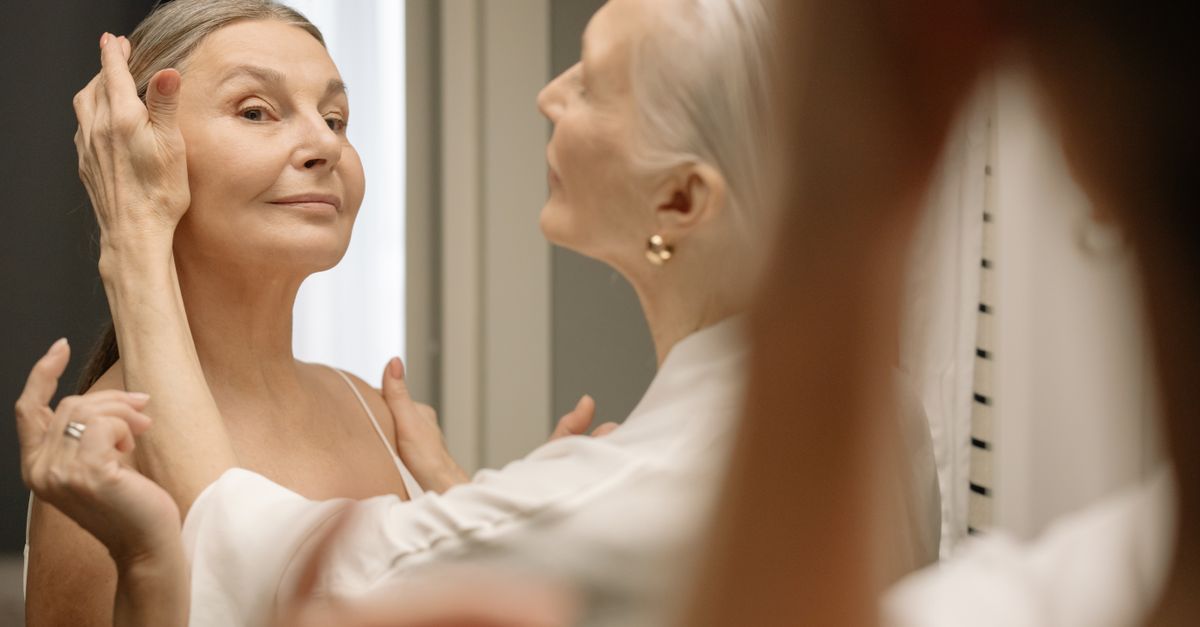
Last Tuesday, I watched a patient in my clinic tilt the mirror toward me and say, “I can handle peeling. I cannot handle looking wiped out for two weeks.” She was not asking for a trend. She was asking for a recovery plan that fit her life, her work calendar, and her tolerance for visible inflammation.
The right resurfacing plan is the one that matches peel depth to the patient’s real downtime, not the strongest peel a clinic can sell. In practice, glycolic acid, trichloroacetic acid, and other resurfacing agents should be chosen by concentration, application time, skin type, and the patient’s willingness to tolerate erythema, peeling, and post-inflammatory pigment change.
That conversation is the reason I think the whole topic gets framed badly. People often ask which chemical exfoliant is “best,” when the better question is which protocol produces the desired change with the least predictable disruption. I used to think concentration was the main decision point. Then I saw how the same peel strength behaved differently on thin eyelid skin, on a sebaceous cheek, and on a darker Fitzpatrick type IV patient with a history of post-inflammatory hyperpigmentation. Now I think the recovery profile matters as much as the chemistry.
For patients who want a clinician-level explanation, the FDA’s guidance on supervised chemical peel use and injury risk makes the safety issue plain. Higher-strength home peels can cause burns, wounds, swelling, pain, and scarring. That is not a theoretical warning. It is the boundary between cosmetic treatment and preventable injury.
Depth determines downtime
In resurfacing, I care less about the marketing label and more about how the agent behaves in skin. Glycolic acid peels are commonly used in the 20% to 50% range for superficial effects, while 70% glycolic acid is generally treated as medium depth. The practical result is simple: as concentration and exposure time rise, so does inflammation, visible peeling, and the number of days a patient needs to look and feel recovered.
The chemistry matters, but tissue response decides the lived experience. A superficial peel may mean mild flaking and transient erythema. A medium-depth peel can mean a more obvious crusting phase, tighter skin, and a much stricter aftercare routine. Patients often want a single answer. I usually give them a range, because skin does not read a brochure.
For a useful overview of peel categories, I often point patients to the American Academy of Dermatology’s explanation of chemical peel depth, recovery, and common side effects. It is a good patient-facing companion to the more technical conversation we have in clinic.
What I would not do
I would not use a high-strength peel on a patient who cannot commit to sunscreen, gentle cleansing, and follow-up. I would not push a deeper peel because a patient wants “faster results” if their work, travel, or social schedule makes wound care unrealistic. I would not treat a history of pigment problems as a minor footnote. That is the kind of detail that turns a routine resurfacing plan into a prolonged recovery.
I also refuse the idea that all facial rejuvenation has to be aggressive to be worthwhile. Some patients do better with staged, lower-intensity treatments. Others need a different modality entirely. Good surgery and good aesthetic medicine share the same discipline, which is selecting the right intervention, not the loudest one.
Where the evidence actually helps
Evidence is strongest when it tells us where harm begins. A review of glycolic acid peels in the literature describes 20% to 50% as superficial and 70% as medium-depth, with deeper effects linked to longer application times and lower pH. That may sound technical, but it is clinically useful because it predicts the recovery burden more reliably than patient preference alone.
The FDA has also emphasized that adverse events from unsupervised peel products have required emergency care, dermatologist care, and even surgery. The takeaway is not fear. The takeaway is respect for dose, skin type, and supervision.
I keep coming back to one pattern in clinic: the patient who says they want “the strongest peel” usually wants the most effective treatment with the least visible disruption. Those are different goals. My job is to translate between them honestly.
How I think about recovery now
I used to think the best resurfacing plan was the one that produced the crispest result on exam day. Then I started tracking what patients actually remember three days later, and what they tolerate at work, in sunlight, and in front of family. Now I think the best plan is the one that gives a predictable endpoint without forcing the patient to restructure their life around the procedure.
That is why I spend so much time on aftercare. Barrier repair, photoprotection, and patience are not extras. They are part of the procedure. When a patient understands that, the treatment looks less like an impulse and more like a controlled recovery event.
If you want my clinical bias in one sentence, it is this: I would rather choose a milder peel done well than a stronger peel done carelessly. The skin usually agrees.
Returning to the clinic chair
At the end of that Tuesday visit, the patient who said she could not afford to look wiped out for two weeks chose the smaller plan. She did not choose less care. She chose care that fit her reality. That is the part I trust most in facial rejuvenation, because the best result is not only how the skin looks under lights. It is how safely the patient gets there, and how well the plan fits the life they are returning to.
For readers who want a clinician’s background on my practice philosophy, my credentials and surgical perspective are outlined at Dr. Sina Bari, MD, Stanford-trained surgeon. That context matters because technique, judgment, and recovery counseling all come from the same place.
I also think patients benefit from understanding that resurfacing is only one part of facial rejuvenation. When I evaluate a face, I am thinking about texture, pigment, laxity, vascularity, and healing capacity together. One peel can improve a surface. A thoughtful plan improves the outcome.
For additional clinical context, the recovery principles in Sinabari MD’s surgical education resources reinforce the same point I make in consultation: procedure choice should respect anatomy, tissue behavior, and downtime, not just the promise of visible change.
FAQ
How does glycolic acid concentration affect peel depth and downtime?
Higher concentrations and longer contact times drive deeper injury, more erythema, and more visible peeling. In practical terms, 20% to 50% glycolic acid is usually superficial, while 70% behaves more like a medium-depth peel and carries more downtime.
What recovery pattern should I expect after a stronger facial peel?
Expect redness, tightness, flaking, and a period when the skin looks more inflamed before it looks better. The exact number of days varies by peel strength, skin type, and aftercare, but the recovery burden rises quickly once you move beyond superficial treatments.
What is Dr. Sina Bari’s approach to choosing a resurfacing treatment?
I choose the least aggressive treatment that can still accomplish the clinical goal. I weigh pigment risk, healing time, skin thickness, and the patient’s ability to follow instructions, because a good outcome depends on recovery as much as the procedure itself.
When should a patient avoid doing a peel at home?
A patient should avoid home peels when the product is high strength, the skin is already irritated, or there is any history of pigment problems or scarring. The FDA warns that unsupervised chemical peel products can cause serious burns and wounds, which is exactly why supervision matters.
Why do some patients look worse before they look better after resurfacing?
Because resurfacing creates controlled injury, and the early phase is inflammation, not the final cosmetic result. Peeling, redness, and temporary textural roughness are expected signs that the skin is going through repair before refinement.