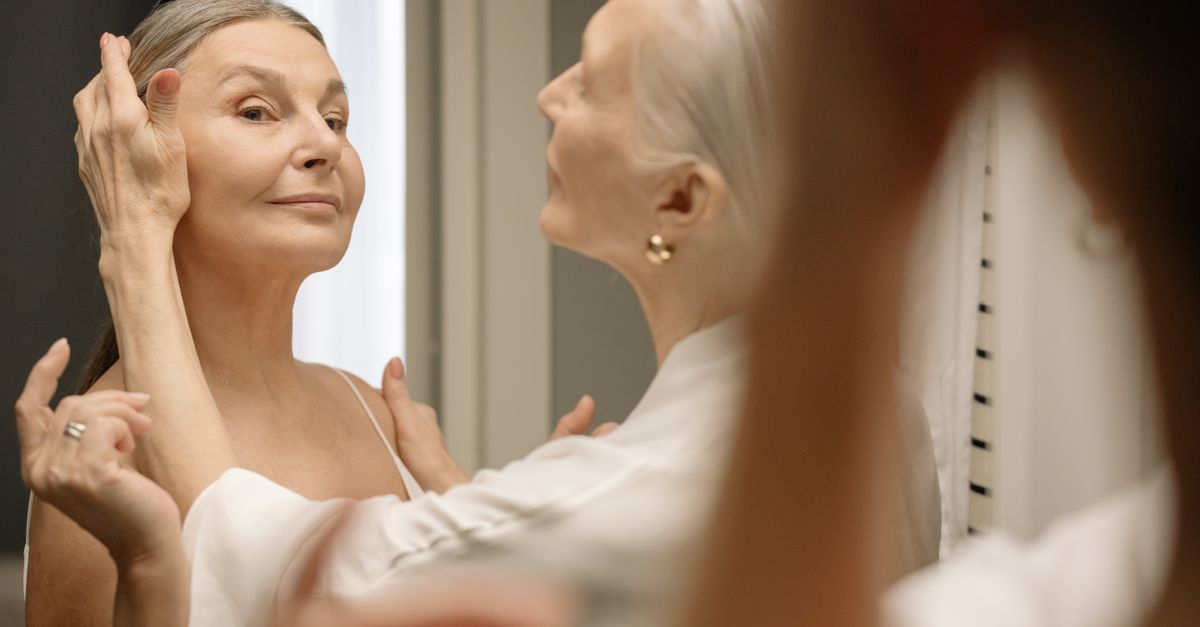
Last Tuesday, a woman in her forties sat across from me and held up the calendar on her phone. She had a wedding in 19 days, a big client presentation the week after that, and one clear request: “I want to look fresher, but I do not want to disappear for two weeks.” I have had this conversation many times, and I still pay attention when a patient names the recovery window before she names the procedure.
The safest facial rejuvenation plan is often the one that respects recovery first and procedure second. For peels, lasers, and other resurfacing treatments, the real variable is not just how much change the skin can show, but how much healing the patient can support without pigment shift, prolonged redness, or scarring.
That is why I match treatment depth to anatomy, season, skin type, and compliance, then I bias toward staged care when the timeline is tight. In practice, this approach reduces avoidable regret more reliably than chasing the strongest possible intervention.
I told her I could make her skin look better, but only if we were honest about the tradeoff between intensity and downtime. That sentence sounds simple. It is not. It requires me to balance anatomy, healing biology, pigment risk, and the patient’s real life, not the version of real life people present in a consultation room.
Why recovery belongs at the center of facial rejuvenation
I used to think the main decision in skin resurfacing was how aggressive to be. Then I watched a perfectly planned treatment turn into a prolonged recovery because the patient could not protect herself from sun, heat, and friction during the first two weeks. Now I think the better question is whether the recovery plan is realistic enough to protect the result.
The FDA’s 2024 warning on chemical peel skin products is a good reminder of how quickly resurfacing can go wrong when the concentration, number of applications, and contact time outrun supervision. The agency notes that these products can cause chemical burns, swelling, infection, pigment change, and disfiguring scars, especially when used without professional guidance, as described in the FDA warning on chemical peel skin products.
That warning matters beyond consumer safety. It captures the basic principle I use in clinic: deeper injury creates a longer and less forgiving healing curve. If the patient cannot commit to that curve, I should not pretend she can.
What I would not do
I would not recommend a high-strength peel or deep resurfacing treatment simply because the patient wants the fastest visible change. I would not stack procedures in a way that turns the skin into a guessing game, especially in a patient with a history of post-inflammatory hyperpigmentation, recent sun exposure, or poor ability to follow aftercare. And I would not call that prudence timid. It is judgment.
In one case, a patient asked for “the strongest option you have” before a family reunion. I declined to do the deeper treatment she had in mind and offered a staged plan instead. She was disappointed for about thirty seconds. Then she understood why I was steering her away from a result that might have looked dramatic on day three and regrettable on day thirty.
The better model is staged change, not maximal change
For most patients, I prefer a ladder approach to facial rejuvenation: skin care, light resurfacing, targeted injectables when appropriate, and then selective escalation only if the healing history supports it. That is especially true for patients who care as much about calendar control as outcome quality. I want the treatment to fit their life, not the other way around.
Recent clinical literature supports that conservative postoperative planning can improve recovery quality. A 2024 randomized split-face study on post-procedure skin care after minimally to moderately invasive facial rejuvenation found that a cream containing retinaldehyde, niacinamide, and haritaki was well tolerated and maintained or enhanced anti-aging effects, with visible results by one month. In practical terms, that kind of supportive care matters because the skin is doing more than “healing,” it is reorganizing barrier function, inflammation, and texture at the same time.
Another useful data point comes from the broader recovery literature. A 2024 pilot randomized trial after CO₂ laser plus microneedling showed that both autologous nanofat and rhPDGF-BB improved pain and skin recovery beginning around day 4, with no significant difference between the two groups. The point is not that every patient needs biologic rescue therapy. The point is that recovery itself is measurable, and early recovery signals often tell me more than the procedure label does.
When I talk to patients about downtime, I am not being conservative for its own sake. I am trying to prevent the most common recovery failure, which is not a dramatic complication. It is the slow drift into irritation, picking, over-cleansing, sun exposure, and anxiety because nobody gave the skin a workable recovery plan.
For readers who want a deeper look at my training and background, I keep my credentials page at Dr. Sina Bari, MD, Stanford-trained surgeon.
Where clinical vulnerability matters
I still remember a patient whose skin looked deceptively calm on day two after a fractional treatment, then flared on day five with more erythema than I expected. I was wrong to assume the early course predicted the final course. That case reminded me that recovery is dynamic, not linear, and that some patients will teach you more than any protocol sheet can.
That is why I now build in a follow-up plan that includes a clear threshold for concern. If erythema is deepening instead of settling, if itch is escalating, or if pigment is shifting unevenly, I want to hear about it early. The skin usually gives us clues before it gives us problems.
In my own practice, I have found that simple postoperative instructions outperform elaborate ones when the patient is stressed. Gentle cleansing. Strict sun avoidance. Barrier support. No aggressive exfoliation. No improvisation. The basics are boring, and they work.
For patients who are considering at-home or lower-acuity exfoliation rather than in-office treatment, it helps to read an authoritative patient resource such as the FDA’s guidance on chemical peel safety before making assumptions about strength and downtime. I would rather a patient be cautious than clever with acids.
How I frame the decision in clinic
I ask three questions. What is the goal, what is the timeline, and what is the skin willing to tolerate right now? If those answers do not line up, I slow the plan down. Sometimes that means a lighter peel. Sometimes that means deferring a laser. Sometimes that means saying no until the skin environment is better.
The most useful patient conversations are usually plainspoken. “I can miss one weekend, not two,” she told me last Tuesday. That gave me more information than a long wish list would have. Her sentence told me what kind of recovery she could actually support, which is the real determinant of whether a rejuvenation plan succeeds.
I think clinicians sometimes overvalue the treatment and undervalue the recovery conditions. The skin does not care about our enthusiasm. It cares about injury depth, barrier support, and time.
Conclusion
By the end of that visit, the woman with the wedding and the presentation did not get the most aggressive option. She got the option that made sense. We chose a smaller intervention, set expectations about visible change, and built the plan around the part most people ignore, the healing window. That is where good facial rejuvenation usually lives: not in the biggest treatment, but in the recovery the patient can truly complete.
FAQ
How do I know whether a chemical peel is too strong for my skin type?
The best clue is not the label on the bottle, it is how your skin has behaved after prior irritation, sun exposure, or procedures. If you pigment easily, stay red for a long time, or have a history of eczema or post-inflammatory hyperpigmentation, I usually favor a more conservative peel depth and tighter follow-up.
What recovery signs after facial resurfacing should make me call the surgeon?
Worsening redness after the first few days, increasing pain, drainage, fever, or uneven pigment change deserve a prompt call. Normal recovery tends to trend steadily better, even if it is not pretty at the start.
What is Dr. Sina Bari’s approach to balancing results and downtime?
I start with the recovery window and build backward from there. If the patient cannot protect the skin from sun, friction, or missed aftercare, I choose a less aggressive plan or stage treatment over time.
Are stronger peels always better for facial rejuvenation?
No. Stronger peels can produce more visible change, but they also increase the risk of prolonged redness, pigment alteration, and scarring if the aftercare plan is not excellent. In practice, the right peel is the one the patient can heal from safely.
What should I read before trying a peel at home?
Read the FDA’s chemical peel safety warning first, because concentration, contact time, and repeated application change the injury risk quickly. If the product promises dramatic resurfacing at home, I would treat that as a warning sign, not a bargain.