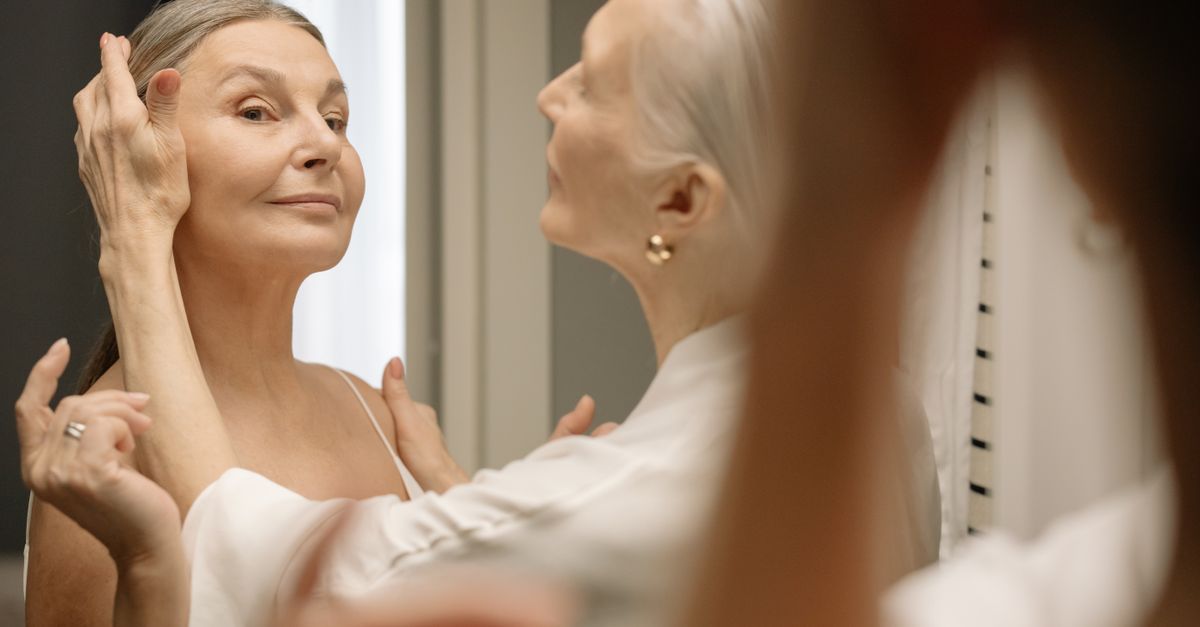
What happened in the room last Tuesday
Last Tuesday, a patient sat across from me and kept circling the same question with her hands, not her words. She was talking about a lower-face rejuvenation plan, but what she really wanted to know was whether she could get back to work, school pickup, and looking like herself without broadcasting the fact that she had surgery. I have heard that concern hundreds of times. I still take it seriously every time.
I used to think the main technical challenge was choosing the right lift vector and skin management. Then I watched a well-executed case stall because the aftercare instructions were vague, the patient returned to exercise too early, and swelling spiraled into weeks of avoidable frustration. Now I think the operation starts in the consult room, but the result is protected in the recovery plan.
For context, readers can review my background at Dr. Sina Bari’s clinical profile and Stanford training, especially if they want to understand the perspective behind how I approach surgical counseling.
Why recovery is part of the operation
In facial plastic surgery, I am not just trying to reposition tissue. I am trying to protect blood supply, minimize dead space, reduce tension on incisions, and guide the patient through the inflammatory phase without triggering avoidable setbacks. The first week matters because edema, bruising, and discomfort are not side issues, they shape the patient’s confidence, compliance, and sense of whether the procedure was worthwhile.
The literature supports that focus. In a systematic review of facelift research, the authors noted that many studies still prioritize short-term recovery endpoints such as edema and bruising rather than only aesthetic endpoints. In another facelift series, ecchymosis was reported in 12 percent of patients and resolved within 2 weeks. Those are not abstract numbers to me. They are the difference between a patient feeling reassured and a patient calling in panic because her face looks worse before it looks better.
What I would not do is promise a fast, frictionless recovery for every patient. I do not think that is honest, and it can backfire clinically. A thick neck, a history of easy bruising, a bleeding tendency, nicotine exposure, or poor sleep can all make recovery less predictable, even when the operation itself goes well.
The practical guidance from the FDA’s skin care safety guidance is relevant here because patients often self-treat bruising, redness, or sensitivity with products they found online. I want them using only what is appropriate for the incision line, the skin barrier, and the stage of healing.
Technique matters, but so does the first 14 days
When I evaluate a facial rejuvenation case, I think about the operation and the home course as one continuum. Deep-plane work, limited-incision approaches, neck contouring, and adjunctive skin procedures each have different swelling profiles. I tell patients that the anatomy does not care about their calendar, and their calendar does not care about anatomy. The swelling schedule usually wins.
A colleague once said in clinic, “I can live with the bruising. I just do not want to look botched.” That line stayed with me because it captures the real fear underneath most consultations. Patients do not usually fear surgery in the abstract. They fear a result that looks obvious, prolonged, or off in public before it settles.
I have had one case surprise me. A patient with an otherwise straightforward facial rejuvenation plan developed more prolonged edema than I expected, despite careful technique and good hemostasis. There was no single dramatic mistake. It was a reminder that biology sometimes refuses our tidy expectations. Now I think about postoperative positioning, activity restriction, and follow-up timing with more humility than I did early in my career.
Recovery instructions need to be specific: head elevation, gentle walking, hydration, limited bending, no heavy lifting, and clear guidance on when to restart exercise. The goal is not to make recovery feel dramatic. The goal is to make it boring.
For a broader patient-facing overview of facial plastic surgery concepts, I also point patients to the main practice site at sinabarimd.com when they want to understand how consults, surgical planning, and follow-up fit together.
What the evidence says, and what it does not
I like evidence, but I do not pretend every recovery decision is settled by a single paper. Clinical decisions in facial rejuvenation often live in the space between data and judgment. Still, several findings are useful. A recent systematic review of facelift studies found that short-term outcomes like edema and bruising are commonly tracked. Another facelift study reported 96 percent of patients returned to normal activities within 7 days, although that figure should be interpreted in the context of the specific technique, postoperative protocol, and patient selection.
I also pay attention to complication data. In a review of deep-plane facelift outcomes, the pooled overall complication rate was 6.6 percent, with hematoma at 1.8 percent and temporary facial nerve injury at 1.2 percent. Numbers like those remind me that even elegant surgery carries tradeoffs. They also explain why I spend so much time on preoperative counseling. Patients deserve the truth about risk, not a sales pitch.
For clinicians and careful patients, the most useful question is often not, “What is the perfect operation?” but, “What recovery can this person actually follow?” That question changes how I stage procedures, how I prescribe postoperative support, and whether I recommend delaying surgery until the patient’s life is more compatible with healing.
One more thing I would not do: I would not treat scar care, edema management, and activity restriction as afterthoughts. Those details can shape satisfaction as much as an extra millimeter of lift.
How I frame recovery with patients
In consultation, I try to be concrete. I tell patients what the first night feels like, what day 3 usually feels like, when swelling peaks, when bruising begins to fade, and which symptoms should prompt a call. That style is not dramatic, but it is effective. Patients do better when they know what normal looks like.
I also prefer to be honest about uncertainty. I cannot tell a patient exactly how fast her swelling will resolve. I can tell her what pattern I expect, what patterns worry me, and what I have seen in similar cases. That distinction builds trust. It also keeps the conversation clinically grounded.
My own view has shifted over time. I used to think the most important part of facial rejuvenation was technical finesse alone. Now I think the best result comes from technical finesse, disciplined recovery planning, and the patient’s ability to live inside the instructions for two weeks without improvising.
That is why I spend so much time on the unglamorous details. They are where outcomes are either protected or lost.
FAQ
How long does swelling usually last after facial rejuvenation surgery?
Most swelling is most noticeable in the first week and then improves over the next 1 to 4 weeks, depending on the procedure and the patient’s biology. Some residual swelling can linger longer, especially after deeper dissection or combined procedures. I tell patients to expect gradual improvement, not an overnight return to baseline.
What warning signs after facelift surgery should prompt an urgent call?
Rapidly increasing swelling, persistent bleeding, fever, worsening redness, wound drainage, shortness of breath, or sudden skin-color changes deserve prompt medical review. Those symptoms can signal hematoma, infection, vascular compromise, or another complication that should not wait until the next routine visit. Early communication usually prevents a small issue from becoming a bigger one.
What is Dr. Sina Bari’s approach to recovery counseling before facial plastic surgery?
I try to make the recovery plan specific enough that the patient can picture the first two weeks in real life. That means clear activity limits, wound care instructions, and a direct conversation about what is normal versus what is concerning. A patient who knows what to expect is usually calmer, safer, and more satisfied.
Should patients resume exercise quickly if they feel fine after surgery?
No. Feeling fine and being healed enough for exertion are different things, and the gap matters in facial surgery. Early heavy activity can worsen swelling, increase bleeding risk, and disrupt tissue settling. I usually prefer a staged return rather than a rushed one.
Why do some patients bruise more than others after facial surgery?
Bruising depends on anatomy, surgical extent, tissue fragility, medications, smoking exposure, and individual healing patterns. Even careful technique cannot eliminate bruising completely. The practical goal is to reduce severity and keep the recovery predictable enough that the patient can function comfortably.